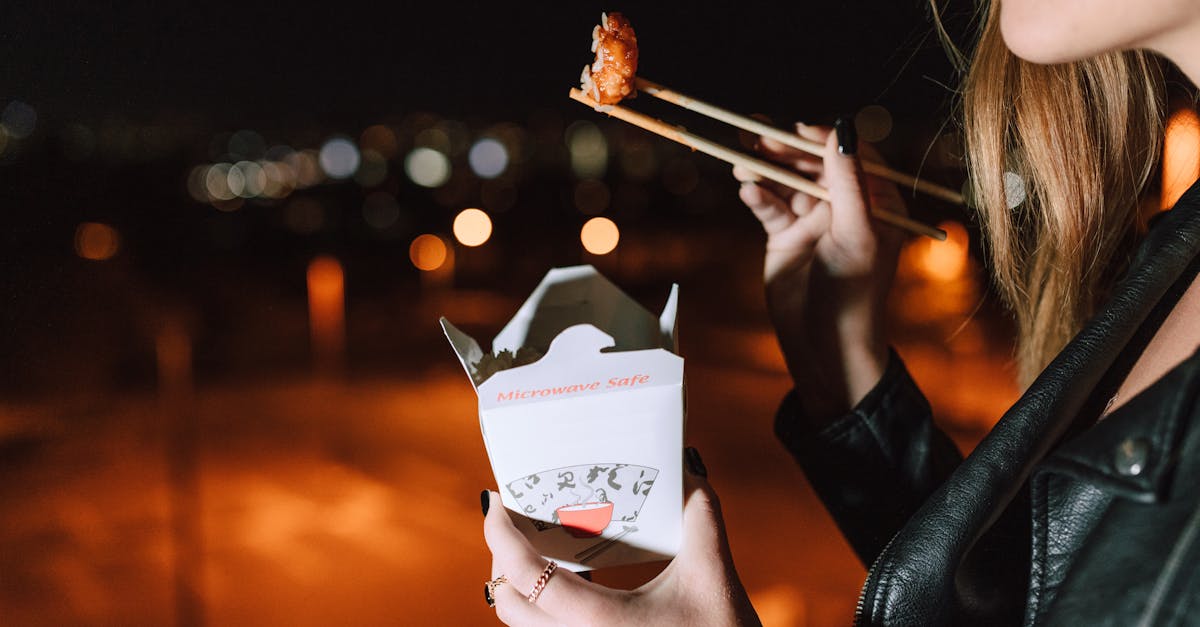
The Five-Second Rule for Dropped Food Misunderstands What Keeps You Safe
We’ve all been there: a rogue piece of toast slips from your hand, a cookie tumbles from the tray, or a bite of your sandwich makes an unexpected detour to the floor. For many, a silent count begins – ‘one, two, three, four, five!’ – before scooping up the fallen item, dusting it off, and continuing as if nothing happened. This, of course, is the infamous ‘five-second rule,’ a culinary urban legend suggesting that food is safe to eat if retrieved quickly enough. In my experience, most people cling to this rule with a surprising amount of conviction, perhaps because it offers a convenient excuse to salvage a favorite snack. The mistake I see most often, however, is mistaking a convenient belief for scientific truth. What changed everything for me was realizing that the actual science behind bacterial transfer is far more nuanced, and frankly, a bit more alarming, than a simple time limit. The truth is, how safe that dropped food is has very little to do with an arbitrary five-second window, and everything to do with the type of food, the surface it lands on, and the nature of the contaminants.
Key Takeaways
- The ‘five-second rule’ is a myth; bacterial transfer begins instantly upon contact, not after a time delay.
- Moisture in food and surface texture are primary factors influencing bacterial transfer rates.
- Dry, smooth surfaces transfer fewer bacteria to dry foods, but still pose a risk.
- Washing or cooking dropped food to a safe temperature is the only way to genuinely mitigate risk.
Bacterial Transfer Happens Instantly, Not After a Countdown
When I first started looking into this common belief, the biggest misconception I encountered was the idea that there’s a grace period before germs latch onto food. This simply isn’t true. Bacteria, unlike tiny, hesitant diners, don’t wait for an invitation or a timer to expire. They transfer instantly upon contact. Think of it like magnets: as soon as the food touches a contaminated surface, some bacteria are already moving. Researchers have conducted numerous studies on this, and the consistent finding is that transfer begins in less than one second. For example, a study published in the journal Applied and Environmental Microbiology demonstrated significant bacterial transfer in under one second across various food and surface types. There isn’t a magical window that protects your food in those initial moments; the bacterial exchange is immediate. So, if your cookie hits a floor teeming with Salmonella or E. coli, some of those pathogens are already on your snack, regardless of how quickly you snatch it back. This reality immediately dismantles the foundation of the five-second rule.
Moisture and Surface Texture Dictate Risk, Not Time Alone
While the immediacy of transfer is crucial, it’s not the only factor. The rate and quantity of bacterial transfer are heavily influenced by the food’s moisture content and the surface’s texture. In my experience, this is where most people miss the critical details. A wet piece of fruit, for instance, will pick up significantly more bacteria from a contaminated surface than a dry cracker. This is because moisture acts as a bridge, allowing bacteria to more easily travel from the surface to the food. Consider the difference between dropping a juicy grape versus a dry piece of toast. The grape’s moisture creates a better environment for bacterial adhesion. Similarly, the texture of the surface matters immensely. Smooth surfaces, like a tiled floor, might initially transfer fewer bacteria because there are fewer nooks and crannies for the microbes to hide. However, if that smooth surface is wet, the transfer can be very high. Conversely, rougher surfaces, like carpet, might harbor more bacteria in general, but can sometimes transfer less to food due to the irregular topography, which traps bacteria away from direct contact. The key takeaway here is that you need to assess the food’s wetness and the surface’s characteristics, not just the ticking clock, when contemplating the safety of dropped food.
The Real Culprits: Specific Bacteria and Pathogens on Surfaces
Beyond the physics of transfer, the actual type of contamination on the surface is the most critical, yet often overlooked, factor. A floor might look clean, but what lurks invisibly is what truly matters. We’re not talking about general dirt; we’re talking about specific pathogens that can cause illness. In my experience, most homes and public spaces harbor bacteria like E. coli, Salmonella, and Listeria, which can cause serious foodborne illnesses. These aren’t just theoretical threats; they are present in microscopic quantities on many surfaces, often carried in on shoes, pet paws, or from improper food handling elsewhere. For example, a single instance of raw chicken drippings on a kitchen floor can contaminate a wide area with Salmonella. Dropping food on that spot, even for a fraction of a second, means a direct exposure to those pathogens. This isn’t about cleanliness perception; it’s about the microscopic reality of invisible biological hazards. Therefore, even if you recover a dry food from a seemingly clean, dry surface, the risk isn’t zero if pathogenic bacteria are present.
Beyond the Floor: Contamination Risks You Might Overlook
The discussion usually centers on food hitting the floor, but in my experience, many people overlook other common surfaces that pose just as much, if not greater, risk. Think about your kitchen counters, especially after preparing raw meat or poultry. Even with a wipe-down, cross-contamination is a persistent threat. A study found that kitchen sponges are often one of the dirtiest items in a home, harboring millions of bacteria per square inch. Imagine a piece of food landing on a counter wiped with a contaminated sponge. Similarly, consider cutting boards. If you use the same board for raw chicken and then for vegetables without proper sanitization, you’re creating a high-risk surface. Dining tables, especially in restaurants or food courts, can also be hotspots. While they may appear clean, they are touched by countless hands and often aren’t sanitized as thoroughly as one might hope. In my home, I learned to be particularly vigilant about mobile phones, which are notorious carriers of germs, often handled just before or during meals. These are all surfaces where food is routinely placed, but often without the same ‘five-second rule’ scrutiny applied to a floor. The principle remains: if it touches a contaminated surface, it’s picking up bacteria, regardless of where that surface is.
Practical Steps to Mitigate Risk (and When to Just Let Go)
Given that bacterial transfer is instantaneous and influenced by many factors beyond a simple time limit, what’s a practical person to do when food hits an unintended surface? In my experience, the first step is to be realistic and err on the side of caution. If it’s a moist food dropped on a visibly dirty or wet surface, the answer is simple: discard it. The risk of illness outweighs the minor loss. However, for dry foods dropped on a visibly clean, dry surface, you have a few options, though none are foolproof. If it’s a piece of fruit that can be thoroughly washed, do so under running water, scrubbing gently. If it’s a baked good, and you’re truly intent on salvaging it, re-heating it to a safe internal temperature (e.g., 165°F for many foods to kill most bacteria) can reduce risk. For things like a cracker or a piece of candy, without a way to wash or re-cook, the risk remains. Personally, what changed everything for me was adopting a strict ‘when in doubt, throw it out’ policy for anything perishable or moist. For items like a dry cookie on a freshly swept tile floor, I might still apply a quick brush-off, but I do so with the understanding that I’m taking a calculated, albeit small, risk. The ultimate goal should always be food safety, and that often means accepting the loss of a dropped item.
Frequently Asked Questions
Is the five-second rule ever safe?
No, the five-second rule is never truly safe. Bacterial transfer from a contaminated surface to food can begin instantly, in less than one second. The idea of a ‘safe’ time window is a myth and does not align with scientific findings regarding microbial transfer.
What types of food are most likely to pick up bacteria when dropped?
Moist foods are significantly more likely to pick up bacteria when dropped. Water acts as a solvent, creating a better medium for bacteria to adhere to and transfer from a surface to the food. Examples include fruit, cooked pasta, or anything with a sauce.
What types of surfaces are most likely to transfer bacteria?
Surfaces that are moist or have been recently contaminated (e.g., by raw meat juices) are the highest risk. While smooth surfaces like tile or stainless steel can transfer bacteria easily when wet, rougher surfaces like carpet can sometimes trap bacteria within their fibers, reducing immediate transfer, but can still harbor many germs.
If I drop food, can washing or cooking it make it safe?
Thorough washing can remove some surface bacteria, especially from firm produce, but it’s not a guarantee against all contamination, particularly if the food is porous. Cooking food to its appropriate internal temperature (e.g., 165°F for poultry, 145°F for whole cuts of meat) is generally effective at killing most bacteria and is the most reliable method for making dropped food safe, if suitable for re-cooking.
What are some common household surfaces that are surprisingly high-risk for dropped food?
Beyond floors, kitchen counters (especially after preparing raw foods), cutting boards (if not properly sanitized between uses), kitchen sponges, mobile phones, and even dining tables (particularly in public spaces) can be surprisingly high-risk due to frequent handling and potential for cross-contamination.
Written by Marcus Chen
Wellness & Relationships
With a background in community development, Marcus is adept at uncovering practical strategies for well-being and social connection.
You Might Also Like

A Practical Checklist for Choosing a Travel Backpack That Delivers Real Comfort and Durability
Don't settle for a travel backpack that causes pain or falls apart. This checklist helps you pick one for true comfort and lasting durability.

A Practical Checklist for Picking the Right Car Detailing Service
Don't waste money on subpar car detailing. Use this expert checklist to find a service that truly restores and protects your vehicle's finish, based on my experience.
Why Most Budget Home Security Systems Disappoint and Overlook Real Protection
Discover why relying on budget home security systems often leads to false peace of mind and what truly builds layered, effective protection.