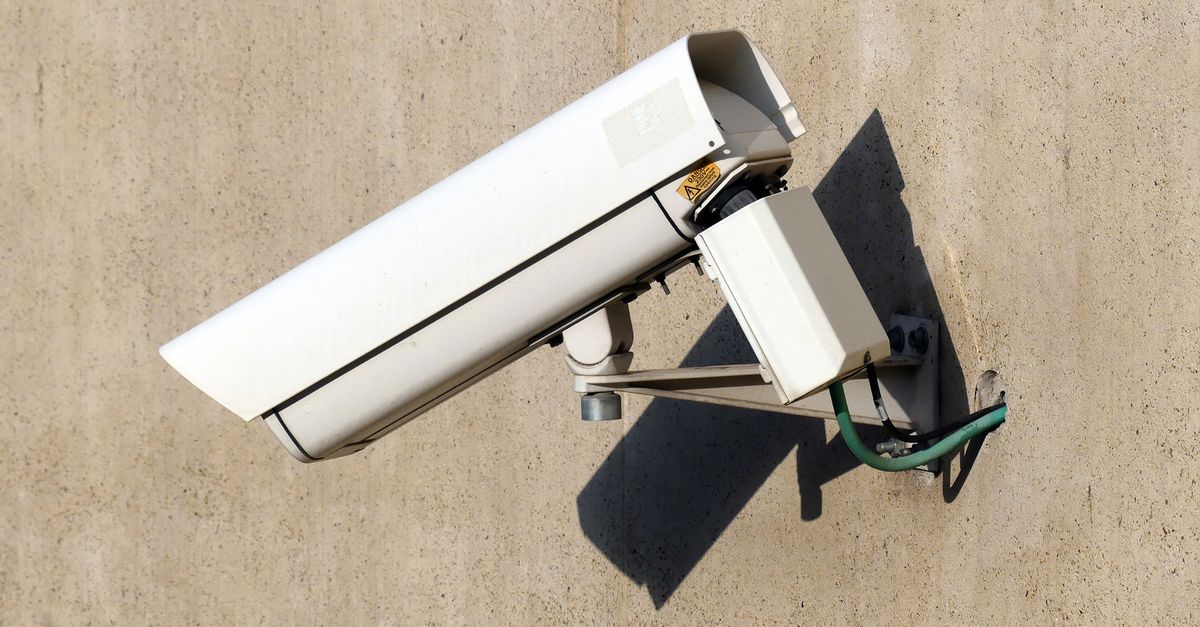
Why Most Budget Home Security Systems Disappoint and Overlook Real Protection
When I first moved into my current home, I was incredibly excited. It was a charming older house, but it came with the usual worries about security. Being fresh out of a less-than-ideal financial situation, my instinct was to go for the cheapest home security system I could find online. It promised “total protection” with a few sensors, a loud siren, and a smartphone app. It felt like a smart move at the time – a quick fix, ticking a box without emptying my wallet. I installed the motion sensors, stuck the contact sensors on my doors and windows, and felt a rush of relief, a sense of safety that came from having ‘a security system.’
That false sense of security lasted until a neighbor’s house down the street was burglarized. They had a similar, low-cost setup. The alarm went off, yes, but by the time the police arrived, the perpetrators were long gone. Nothing was captured on camera because there were no cameras. It was a jarring wake-up call. My “total protection” was, in reality, a flimsy shield, a deterrent at best, and completely ineffective at providing evidence or real-time actionable intelligence. I realized that my budget system was designed to make me feel safe, not necessarily be safe. The real lesson was that effective home security isn’t about the cheapest sensor array; it’s about building a multi-layered defense that addresses different threat vectors and provides tangible outcomes, whether that’s deterrence, immediate notification, evidence collection, or a combination of all three.
Key Takeaways
- Budget security systems often prioritize low cost over effective, multi-layered defense, leading to a false sense of security.
- True home security integrates visible deterrents, immediate alert systems, and reliable evidence collection capabilities.
- Motion sensors are best placed to detect entry points or high-value areas, not just general room movement.
- Smart camera systems should include local storage options and be positioned to capture clear identifying features, not just activity.
- Reinforcing physical entry points and establishing a neighborhood watch are crucial components often overlooked by tech-focused solutions.
The Illusion of Deterrence: Why a Siren Isn’t Enough
My first system was essentially a siren on steroids. The idea, as sold by the marketing, was that a loud noise would scare off any intruder. And to some extent, it’s true: a sudden, piercing alarm can certainly startle someone. However, this relies on a significant assumption: that the intruder is easily scared and that there isn’t ample time for them to grab what they came for and flee. In my neighbor’s case, the alarm sounded, but it didn’t prevent the theft. It merely sped it up. The police response time, even in a relatively safe neighborhood, is rarely instantaneous. A siren alone provides no visual evidence, no live feed for you to assess the situation, and no immediate, verified notification to authorities that can bypass standard emergency call queues.
What changed everything for me was understanding that deterrence needs to be multifaceted. It’s not just about noise, but also visibility and the perception of risk. A professional-looking security sign from a reputable, monitored service, combined with visible cameras, signals a higher level of threat to a potential intruder than a generic “protected by alarm” sticker. The system I have now includes outdoor cameras that record continuously and send instant alerts to my phone, allowing me to view a live feed. If I see suspicious activity, I can trigger a two-way audio feature, essentially shouting at them through the camera, which is a far more active deterrent than a passive siren. This combination of visible cameras and the potential for real-time interaction significantly elevates the perceived risk for an intruder, moving beyond the simple gamble against a loud noise.
The Fatal Flaw of Basic Motion Sensors: False Alarms and Blind Spots
My initial budget system relied heavily on basic Passive Infrared (PIR) motion sensors. These sensors detect changes in infrared radiation, usually triggered by body heat. The problem? My cat. Or a stray bird flying too close to an outdoor sensor (yes, I had an outdoor one briefly). Or even a sudden draft from a poorly sealed window. I was bombarded with false alarms, quickly leading to “alarm fatigue.” I started ignoring the notifications, which, as you can imagine, completely defeats the purpose of a security system. Worse, these basic sensors often have significant blind spots. An intruder could crawl under the detection zone or move quickly through a room before the sensor fully registered their presence.
The mistake I see most often is placing motion sensors in high-traffic areas, which can lead to false alarms from pets or residents. Instead, I now use motion sensors strategically, primarily in areas that should never have motion when the system is armed, like a basement window well, a seldom-used back hallway, or near a safe. Modern sensors also offer pet-immune settings, which significantly reduce false alarms from smaller animals. What truly works is to supplement these with door and window contact sensors on every accessible entry point. This way, if a door or window is opened, I get an instant alert, regardless of whether motion has been detected inside. This layered approach means that a breach is detected immediately at the point of entry, not after an intruder has already gained access and moved into the house.
The Overlooked Power of Smart Camera Systems: Beyond Just Recording
Many budget systems include a single, low-resolution camera with limited storage. It might capture something, but often the footage is too grainy, too dark, or too wide-angle to provide any useful identifying details. I made this mistake early on, thinking any camera was better than no camera. I quickly learned that a blurry image of a retreating figure in the distance is almost useless to law enforcement. The goal of cameras isn’t just to record; it’s to provide clear, actionable evidence and to facilitate real-time monitoring.
What changed everything for me was investing in smart camera systems with specific features: high-definition resolution (at least 1080p, preferably 4K for outdoor), wide dynamic range (WDR) for handling challenging lighting, and infrared night vision. Crucially, I prioritized local storage, such as an SD card or a network video recorder (NVR). Cloud storage is convenient, but it comes with subscription fees and can be vulnerable if your internet is cut. I positioned cameras to cover all main entry points and high-value areas, ensuring they capture faces and license plates, not just general activity. Additionally, the ability to zoom digitally, use two-way audio, and integrate with other smart home devices (like turning on lights when motion is detected) transforms cameras from passive recorders into active components of a comprehensive security strategy. This moves beyond simply capturing a moment; it’s about providing forensic detail and proactive response capabilities.
Fortifying the Physical Shell: An Often-Ignored Foundation
One of the biggest oversights with relying solely on any security system, budget or otherwise, is neglecting the physical integrity of your home. A sophisticated electronic system is only as good as the shell it protects. My initial budget system didn’t come with advice on reinforcing doors or windows. It assumed that sensors alone would be sufficient. But a determined intruder doesn’t care about a sensor if they can kick in a flimsy door in seconds. This was a critical lesson I learned: the technology is there to enhance security, not replace basic physical defenses.
In my experience, fortifying the physical shell of your home is the foundational layer of any effective security strategy. What truly works involves simple, yet highly effective upgrades. I replaced standard deadbolts with heavy-duty, commercial-grade options featuring a 1-inch throw and reinforced strike plates with 3-inch screws that penetrate the wall studs. This makes it significantly harder to kick in a door. For windows, I installed window locks on all accessible windows, regardless of the floor. For ground-floor and basement windows, I added security film, which makes the glass shatter-resistant, delaying entry and creating more noise. Even landscaping plays a role: I trimmed shrubs near windows to eliminate hiding spots and installed motion-activated exterior lighting. These physical barriers slow down intruders, increasing the time they are exposed and the likelihood of detection, giving the electronic system more time to respond effectively.
The Power of a Connected Community: Beyond Your Property Line
Perhaps the most overlooked, yet incredibly effective, aspect of home security is the strength of your community. When I was focused on my budget system, my world revolved around my home’s perimeter. I didn’t think about my neighbors as part of my security plan. This siloed thinking is a common mistake that budget systems, with their focus on individual household protection, often foster. But real security extends beyond your property line. An extra pair of eyes, especially during the day when many homes are empty, can be more effective than any sensor.
What changed everything for me was actively engaging with my neighbors. We established a community group, sharing information about suspicious vehicles or unfamiliar individuals in the area. We now have a system where if someone is away, a trusted neighbor checks on their property regularly, collects mail, and ensures packages aren’t left unattended. This creates a collective deterrence: a neighborhood that actively looks out for itself is far less appealing to criminals. This communal approach provides a human element that no technology can replicate, adding an invaluable layer of vigilance and mutual support that significantly enhances overall security without costing a dime in monthly fees. This collective awareness is the bedrock upon which all other security measures are built, making the entire community a tougher target.
Frequently Asked Questions
How much should I realistically budget for an effective home security system?
Realistically, expect to budget anywhere from $300 to $1,000 for a quality DIY system (including cameras, sensors, and a hub) or $50 to $100 per month for professional monitoring and equipment leasing. The initial cost is less important than the features it provides: high-resolution cameras, robust sensors, local storage options, and seamless app integration. Focus on value for money, not just the lowest sticker price. Investing in physical reinforcements like strong deadbolts and window locks should also be considered a core security budget item, often costing an additional $100-$300 for key upgrades.
Are wireless security systems as reliable as wired ones?
Modern wireless security systems have significantly improved in reliability. They are easier to install and often offer more flexibility in sensor placement. However, they rely on strong Wi-Fi signals and can be susceptible to jamming (though this is rare and usually requires specialized equipment). Wired systems offer maximum reliability and are immune to Wi-Fi issues or battery failure, but they are far more complex and expensive to install. For most homeowners, a hybrid approach with wireless sensors and wired critical components (like a main siren or NVR for cameras) often provides the best balance of reliability and convenience.
How can I prevent false alarms with my security system?
To prevent false alarms, first ensure your motion sensors are pet-immune if you have animals. Secondly, place motion sensors strategically in low-traffic areas that should never have activity when armed, rather than high-traffic zones. Thirdly, ensure all doors and windows are properly sealed and latched to prevent drafts that might trigger sensors. Regularly test your system and adjust sensitivity settings as needed. Integration with professional monitoring often involves alarm verification protocols that can help filter out false alarms before dispatching authorities.
What is the most important feature to look for in security cameras?
The most important features are high-resolution video (1080p or 4K), excellent night vision (infrared or color night vision), and reliable local storage capabilities (SD card, NVR). This ensures you capture clear, identifiable footage regardless of lighting conditions and have access to it even if your internet goes down. Two-way audio and motion-activated recording are also highly valuable for deterrence and proactive engagement.
Should I tell my neighbors I have a security system?
Yes, absolutely. Open communication with trusted neighbors is a powerful, often underestimated, security tool. Informing them about your security measures encourages them to be extra vigilant and potentially look out for suspicious activity around your home, especially when you’re away. Establishing a neighborhood watch or simply having a mutual understanding to keep an eye on each other’s properties creates a community-wide defense that complements any technological solution. This human element can spot issues that technology might miss, like someone casing the neighborhood or attempting to cut wires before an intrusion.
Written by Sophia Rodriguez
Finance & Home Management
A data enthusiast by trade, Sophia brings a research-driven approach to finding efficient solutions for everyday problems.
You Might Also Like

A Practical Checklist for Choosing a Travel Backpack That Delivers Real Comfort and Durability
Don't settle for a travel backpack that causes pain or falls apart. This checklist helps you pick one for true comfort and lasting durability.

A Practical Checklist for Picking the Right Car Detailing Service
Don't waste money on subpar car detailing. Use this expert checklist to find a service that truly restores and protects your vehicle's finish, based on my experience.

Secure Your Home Network After a Router Upgrade Without Missing Vulnerabilities
Upgrade your router, secure your home network. Discover crucial steps beyond default settings to protect your data and privacy after a router upgrade.