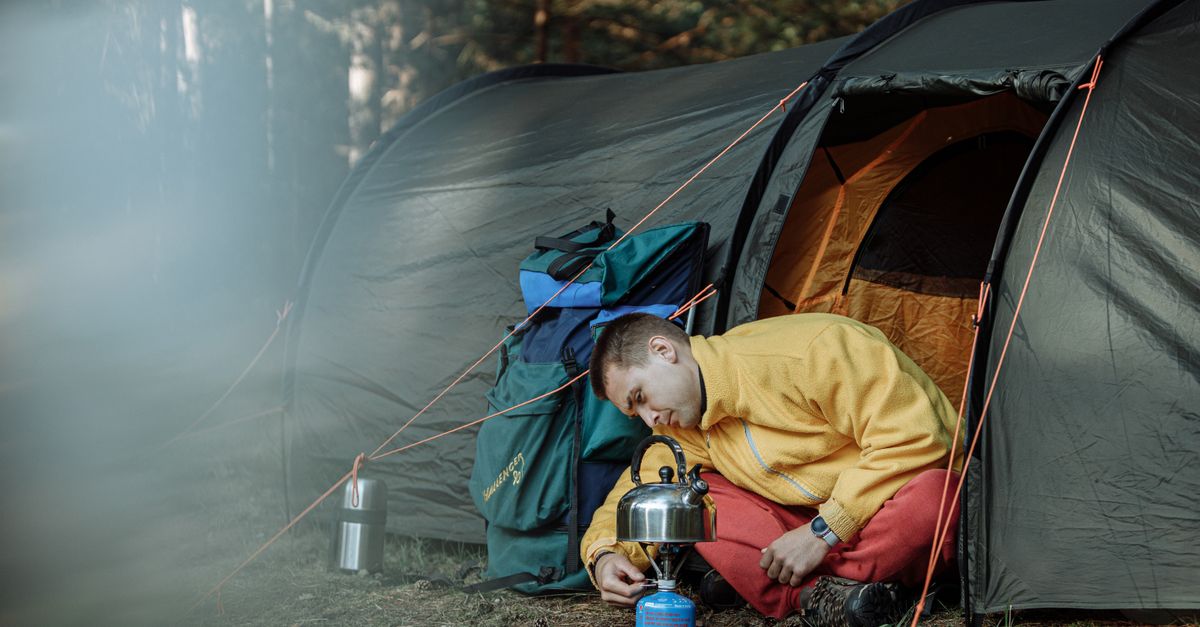
Why Most Budget Camping Gear Fails (And The 'Smart Splurge' Strategy That Actually Works)
You’re finally planning that camping trip you’ve dreamed of all year. You envision crisp mornings, crackling campfires, and breathtaking views. But then you start looking at gear, and the sticker shock sets in. A high-quality tent, a warm sleeping bag, a reliable stove – it all adds up fast. Naturally, you gravitate towards the ‘budget-friendly’ options, thinking you can save a few bucks. I’ve been there. I’ve fallen into the trap of buying the cheapest tent, the lowest-priced sleeping bag, and the most affordable headlamp, only to find myself shivering in a leaky tent, fumbling in the dark with a dying light, or struggling to boil water on a flimsy stove. It wasn’t just uncomfortable; it actively detracted from the experience, turning what should have been a rejuvenating escape into a test of endurance.
The truth is, most budget camping gear is designed to look like a good deal, but it often sacrifices durability, functionality, and comfort in ways that become painfully clear in the wilderness. This isn’t just about minor inconveniences; it can impact your safety, your enjoyment, and ultimately, whether you ever want to go camping again. What changed everything for me was realizing that ‘budget’ doesn’t have to mean ‘bad.’ It means being strategic about where you save and where you invest. It’s about understanding the core components that truly make a difference in your outdoor experience and applying a ‘smart splurge’ strategy.
Key Takeaways
- Most budget camping gear compromises durability, comfort, and safety, leading to frustrating outdoor experiences.
- The ‘smart splurge’ strategy involves identifying critical gear categories where quality matters most for your specific needs.
- Prioritize investing in a reliable shelter, a temperature-appropriate sleeping system, and essential safety items.
- Seek out value in less critical categories through thoughtful research and second-hand options.
The Illusions of ‘Affordable’ Tents and Shelters
The tent is arguably the most crucial piece of camping gear; it’s your primary shelter from the elements. Yet, it’s also one of the most common areas where budget choices lead to disappointment. In my early camping days, I bought a ‘family-sized’ tent for under $100, lured by the promise of space and a low price. The first light rain turned into a slow drip, and a mild breeze felt like a hurricane was trying to rip the tent from the ground. The zippers snagged relentlessly, the poles bent easily, and the ‘waterproof’ rainfly felt more like a suggestion than a guarantee. It was clear that the material quality, seam sealing, and pole structure were all severely compromised.
What most budget tents sacrifice: waterproofing and seam integrity, robust zippers, and strong, lightweight poles. Reputable brands use higher denier fabrics (thicker, more durable threads) for the tent floor and rainfly, often with silicone or PU coatings for superior waterproofing. They also meticulously tape and seal seams to prevent leaks. Budget tents often use thinner, less durable fabrics with inferior coatings that degrade quickly. Their zippers are typically low-quality, prone to jamming or breaking, and the poles are made from heavier, weaker fiberglass or cheap aluminum that can snap in moderate winds. Investing an extra $100-$200 in a quality 2-3 person tent from a reputable brand (think something in the $250-$400 range for a good entry-level model) will get you significantly better materials, superior weather protection, and a much more enjoyable experience. Look for tents with a hydrostatic head rating of at least 1500mm for the rainfly and 3000mm for the floor, strong aluminum poles, and YKK zippers. This is a non-negotiable smart splurge.
The Misery of Inadequate Sleeping Systems
There’s a saying among campers: “You can be cold, but you can’t be too warm.” A comfortable night’s sleep is paramount to enjoying a camping trip, and nothing ruins it faster than being cold, damp, or uncomfortable. I once endured a chilly autumn night with a ‘budget’ sleeping bag rated for 40°F (4°C) when the temperature dropped to 30°F (-1°C). The bag was thin, the synthetic insulation clumped, and I spent the entire night shivering, unable to truly rest. Similarly, my first inflatable sleeping pad was like sleeping directly on the ground – no insulation, no real cushion, and it developed a slow leak by the third night.
Budget sleeping bags often exaggerate their temperature ratings. A truly warm 30°F (-1°C) sleeping bag (for example) requires quality insulation (down or high-loft synthetic), a durable shell, and thoughtful construction (draft collars, good zippers). Cheap bags use lower-quality, less efficient insulation that loses its loft and warmth quickly, especially when damp. They also tend to be heavier and bulkier. For sleeping pads, the R-value (a measure of thermal resistance) is key, not just thickness. Budget pads typically have low R-values (below 2.0), offering little protection against cold ground, and are prone to punctures. A smart splurge here means prioritizing a sleeping bag with a realistic temperature rating for your coldest expected conditions (often 10-20 degrees lower than the advertised ‘comfort’ rating of a budget bag) and a sleeping pad with an R-value of 3.0 or higher for three-season camping. Expect to spend $150-$300 on a quality sleeping bag and $80-$150 on a good sleeping pad. This ensures warmth, comfort, and actual sleep, making your days far more enjoyable.
Why Cheap Cooking Gear Isn’t Worth the Frustration
Part of the joy of camping is cooking outdoors, but budget cooking gear can turn this into a frustrating chore. My initial foray into camp cooking involved a ‘compact’ gas stove that struggled to boil water in even a slight breeze, cheap plastic utensils that melted near the heat, and a flimsy pot that warped after a few uses. The igniter on the stove never worked reliably, forcing me to fumble with matches, and cleaning the low-quality cookware was a nightmare.
Where budget stoves often fail: consistent flame output, wind resistance, and fuel efficiency. Quality camp stoves (even basic canister stoves) offer precise flame control, integrated wind-screens, and robust connections that don’t leak fuel. Cheap stoves often have weak, inconsistent flames that are highly susceptible to wind, leading to longer cook times and wasted fuel. For cookware, look for durable, lightweight materials like anodized aluminum or titanium from trusted brands. Budget sets use thin, easily warped metals with poor non-stick coatings that scratch quickly and are difficult to clean. A smart splurge here means a reliable, efficient stove (like a MSR PocketRocket or Jetboil system) for $70-$150 and a durable, compact cooking pot set for another $50-$100. This investment ensures you can actually cook a hot meal without undue stress, enhancing your entire camping experience.
The Overlooked Costs of Budget Safety Essentials
Beyond comfort and convenience, some gear directly impacts your safety. Headlamps, first-aid kits, and navigation tools are areas where cutting corners can have serious consequences. I once bought a multi-pack of budget headlamps for a group trip, only to find half of them flickering or dead after a couple of hours, leaving us in near darkness. A ‘basic’ first-aid kit I purchased contained only the bare minimum of poor-quality bandages and no critical items for more serious injuries.
Budget headlamps often have low lumen output, poor battery life, and fragile construction. They might claim high lumens, but the beam is often uneven, with limited throw, and their batteries drain quickly. In the backcountry, a reliable light source is critical for navigating after dark, setting up camp, or responding to emergencies. Similarly, cheap first-aid kits are often inadequate. A proper kit (which you can build or buy a quality base and augment) needs more than just band-aids; it should include wound care, pain relief, blister treatment, allergy meds, and emergency supplies. For navigation, while smartphone apps are useful, a dedicated compass and map are essential backups, and budget compasses can be inaccurate or prone to damage. A smart splurge on these safety items means a high-quality headlamp from a brand like Black Diamond or Petzl ($30-$70) with a minimum of 200 lumens and reliable battery life. Invest in a comprehensive first-aid kit (expect $40-$80) and learn how to use its contents. These aren’t just purchases; they’re investments in your well-being and peace of mind when venturing into nature.
Where to Strategically Save: The ‘Smart Splurge’ Mindset
Now that we’ve covered where not to skimp, let’s talk about where you can intelligently save money without sacrificing your experience. The ‘smart splurge’ strategy isn’t about buying everything expensive; it’s about discerning value and necessity. For less critical items, you can often find perfectly adequate budget alternatives or even second-hand options.
Consider these areas for strategic savings:
- Backpack (for car camping): If you’re primarily car camping, where your backpack only goes from the car to the campsite, you don’t need a ultralight, highly technical pack. A durable, comfortable external or internal frame pack from a mid-range brand, or even a good quality used one, can save you hundreds. Focus on capacity and fit, not necessarily the latest suspension technology. Look for options in the $80-$150 range instead of $250+.
- Camp Chairs & Tables: For front-country camping, basic folding chairs and tables work perfectly well. You can often find these at discount stores or second-hand. While ultralight backpacking chairs are a splurge, a simple, sturdy camp chair for $20-$40 is perfectly fine for car camping.
- Water Bottles/Hydration Bladders: While top-tier hydration systems are great, a good quality Nalgene bottle or a basic hydration bladder from a sporting goods store is usually sufficient. Just ensure it’s BPA-free and doesn’t leak. Saving here means $10-$20 instead of $40-$60.
- Camp Lighting (Lanterns): Beyond your essential headlamp, a simple LED lantern for ambient light around camp can be a budget buy. Rechargeable options are great, but even battery-powered ones from a discount store can work. This is an item you can spend $15-$30 on.
- Camp Kitchen Utensils & Plates: Reusable plastic plates and cutlery, or even metal mess kits, are perfectly functional and can be found cheaply. You don’t need ultralight titanium sporks unless every gram counts. Spend $10-$25 on a basic set.
The key is to evaluate each item based on its potential impact on safety, comfort, and the overall enjoyment of your specific type of trip. For a weekend car camping trip, some items are less critical than for a multi-day backcountry expedition. Always read reviews, but also understand why certain features are valued. Sometimes, a slightly heavier but more durable option is better value than an ultralight, fragile one.
The Real Cost of Cheap Gear: Beyond the Price Tag
When I reflect on my early camping mistakes, the real cost of budget gear wasn’t just the money I spent; it was the hidden costs that accumulated. There was the cost of replacement – having to buy a new tent or sleeping bag after a season or two because the cheap one failed. There was the cost of frustration and discomfort – enduring cold nights, wet gear, and unreliable equipment, which can actively make you dislike an activity you once looked forward to. And perhaps most importantly, there was the cost to safety and peace of mind – knowing your gear might fail you in a critical moment adds an underlying anxiety that detracts from the whole experience.
A quality piece of gear, even if it costs two or three times as much initially, can last for many years, enduring countless trips. My current tent, though a significant investment, has weathered countless storms and still performs flawlessly after five years. My sleeping bag keeps me warm in actual sub-freezing temperatures, and my stove boils water reliably every time. This long-term durability means less waste (environmental impact) and ultimately, less money spent over time compared to continuously replacing cheap, failing items. The true value of a smart splurge isn’t just in the immediate performance but in the enduring reliability and the enhanced joy it brings to your outdoor adventures.
The Power of Smart Research and Second-Hand Markets
Even with a ‘smart splurge’ strategy, you can still be a savvy shopper. Once you’ve identified your critical splurge categories, don’t just grab the first expensive option. Dedicate time to research. Read reviews from reputable outdoor publications, watch YouTube comparisons, and ask experienced campers for recommendations. Look for brands known for durability and customer service. Sites like REI Outlet, Backcountry.com, and Moosejaw often have sales on last season’s models of high-quality gear.
The second-hand market is also a goldmine, especially for those less critical items or even gently used high-quality gear. Check local outdoor consignment shops, online marketplaces (Facebook Marketplace, Craigslist), and dedicated gear exchange forums. I’ve found fantastic deals on nearly new backpacks, quality trekking poles, and even slightly used camp chairs for a fraction of their retail price. Always inspect used gear thoroughly for damage, missing parts, and excessive wear. For items like sleeping bags, consider the hygiene aspect and assess if a thorough cleaning is feasible. The trick is to know what you’re looking for, understand its fair value, and be patient. This approach allows you to build a reliable gear collection over time without breaking the bank upfront.
Frequently Asked Questions
What are the absolute minimum ‘smart splurges’ for a beginner camper?
For a beginner, I would prioritize a reliable tent that can withstand expected weather (rain, moderate wind) and a temperature-appropriate sleeping bag and pad for comfortable sleep. These three items directly impact your safety and enjoyment the most. Everything else can be more budget-friendly or even borrowed initially.
How can I tell if a sleeping bag’s temperature rating is accurate?
Generally, look for sleeping bags that conform to the EN 13537 or ISO 23537 standards. These ratings provide a more realistic ‘comfort’ and ‘limit’ temperature for men and women. Budget bags often use non-standardized ratings that can be misleadingly optimistic. Research reputable brands known for accurate ratings, and consider buying a bag rated 10-20 degrees lower than the coldest temperature you expect to encounter.
Is it okay to buy a used tent or sleeping pad?
Yes, but with caveats. For used tents, inspect all zippers, seams, poles, and the waterproofing coating (look for flaking or stickiness). Set it up if possible. For used sleeping pads, check for leaks by inflating it and letting it sit overnight. Test the valve seal. For both, consider the overall condition – excessive wear indicates a shorter lifespan. For hygiene reasons, I personally avoid used sleeping bags unless they’ve been professionally cleaned and come from a trusted source, but a sleeping pad can be wiped down.
What are some good budget-friendly brands for less critical gear?
For items like camp chairs, basic lanterns, cooking utensils, or camp organizers, brands like Coleman, Ozark Trail, Amazon Basics, or even IKEA can offer functional, affordable options. The key is to check reviews for basic durability and functionality, but don’t expect the same performance or longevity as premium outdoor brands.
How can I extend the life of my camping gear, even budget items?
Proper care is crucial. Clean and thoroughly dry your tent, sleeping bag, and pad before storing. Store sleeping bags loosely (not compressed in a stuff sack). Repair small tears or leaks promptly. Protect cookware from excessive heat and harsh scrubbing. Always read manufacturer care instructions. Even budget gear lasts longer with diligent maintenance.
Conclusion: Camp Smart, Not Just Cheap
My journey from a shivering, frustrated camper to one who genuinely relishes every moment outdoors has been a lesson in strategic spending. The allure of cheap gear is powerful, but its hidden costs often far outweigh the initial savings. By adopting a ‘smart splurge’ strategy – prioritizing quality in critical categories like your tent, sleeping system, and safety essentials – you invest in an experience that is comfortable, safe, and genuinely enjoyable. For less critical items, the second-hand market and value-focused brands can fill the gaps without compromising your adventure. Don’t let poorly chosen gear be the reason you dread your next camping trip. Equip yourself wisely, embrace the outdoors, and make memories that aren’t overshadowed by leaky tents or cold nights.
Written by Marcus Chen
Wellness & Relationships
With a background in community development, Marcus is adept at uncovering practical strategies for well-being and social connection.
You Might Also Like

A Practical Checklist for Choosing a Travel Backpack That Delivers Real Comfort and Durability
Don't settle for a travel backpack that causes pain or falls apart. This checklist helps you pick one for true comfort and lasting durability.

A Practical Checklist for Picking the Right Car Detailing Service
Don't waste money on subpar car detailing. Use this expert checklist to find a service that truly restores and protects your vehicle's finish, based on my experience.
Why Most Budget Home Security Systems Disappoint and Overlook Real Protection
Discover why relying on budget home security systems often leads to false peace of mind and what truly builds layered, effective protection.