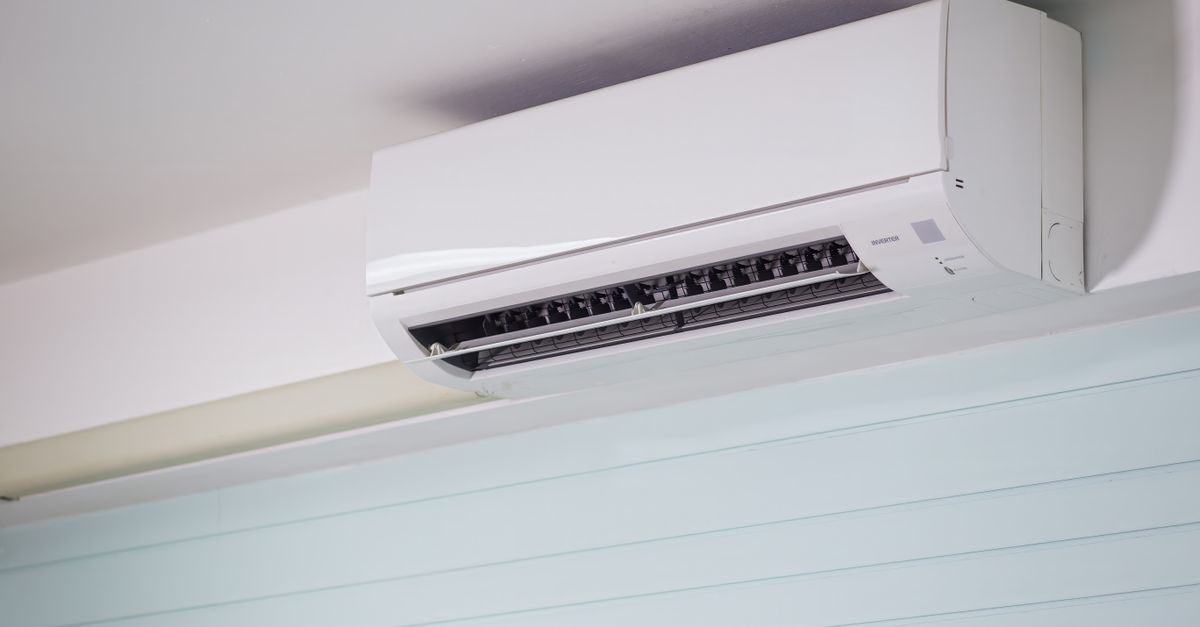
Why is my home air conditioner not cooling enough?
For many years, I assumed a struggling air conditioner simply meant it was old or needed more refrigerant. My own home, built in the late 80s, constantly felt like it was fighting a losing battle against summer, especially on the second floor. We’d crank the thermostat lower and lower, hoping for relief, only to be met with lukewarm air and a soaring electricity bill. I tried all the obvious fixes: changing the filter, clearing debris from the outdoor unit. Nothing seemed to make a lasting difference. The mistake I see most often, and one I made myself for far too long, is focusing solely on the AC unit itself without considering the entire ecosystem of your home’s cooling. What changed everything for me was a holistic approach to understanding why the cool air wasn’t reaching and staying where it was needed. It wasn’t just about the compressor; it was about airflow, insulation, ductwork integrity, and even the subtle forces of humidity and sun exposure. This deeper dive not only made my home genuinely comfortable but also drastically cut down on energy waste.
Key Takeaways
- The most common reason for inadequate AC cooling isn’t the unit’s age, but inefficient airflow and unaddressed heat sources.
- Simple, often overlooked home maintenance, like sealing ductwork and improving attic insulation, drastically boosts cooling performance.
- Don’t solely rely on your thermostat; identify and mitigate specific hot spots in your home for balanced cooling.
- A professional energy audit can reveal hidden inefficiencies far beyond what a DIY inspection can catch.
Overlooked Airflow Restrictions That Choke Your AC’s Output
When your AC isn’t cooling, the first suspect most people eye is the outdoor condenser or the indoor air handler. While these are critical components, the real culprit is often far simpler: restricted airflow. In my experience, a dirty air filter is the most common and easily preventable issue, yet many homeowners only replace it annually, if at all. This isn’t just a minor oversight; a clogged filter chokes the entire system, forcing the fan motor to work harder and reducing the amount of cool air distributed. I recommend checking your filter monthly and replacing it every 1-3 months, or more frequently if you have pets or allergies. The difference in airflow alone can drop your indoor temperature by several degrees.
Beyond the filter, consider your return air vents. These are often forgotten. If furniture, curtains, or even household clutter obstruct these vents, your AC unit cannot pull in enough warm air from your home to properly cool. Think of it like trying to breathe through a pillow—it’s incredibly inefficient. I once helped a friend troubleshoot their perpetually warm living room, and the fix was as simple as moving a large armchair that had been unwittingly blocking a crucial return vent for years. Ensure all return vents are clear of obstructions, allowing for unrestricted air intake. This small adjustment can significantly improve the system’s ability to circulate and cool your home’s air.
Finally, the supply vents themselves can be culprits. While it might seem intuitive to close vents in unused rooms to push more cold air into occupied areas, this often backfires. Your AC system is designed to operate with a certain static pressure and airflow. Closing too many vents can create excessive pressure within the ductwork, leading to reduced efficiency, potential damage to the fan motor, and uneven cooling. Instead, aim for a balanced system where all vents are at least partially open. If specific rooms consistently feel colder or warmer, consider having a professional balance your system or install dampers for more precise control, rather than haphazardly closing vents.
Unseen Ductwork Leaks That Steal Your Cold Air
Imagine paying for a tank of gas, but half of it leaks out before it reaches your engine. That’s essentially what happens with leaky ductwork. In my first home, the AC unit itself was a newer, highly efficient model, yet the second floor remained a sauna. After countless hours of frustration, I hired an energy auditor. Their thermal camera revealed that a significant portion of my cooled air was escaping through poorly sealed duct connections in the attic and crawl space. The auditor estimated a 25% loss in cooling capacity directly attributable to these leaks.
Ductwork, especially in older homes, is often installed quickly with minimal sealing. Over time, the sealant dries out, joints loosen, and even small gaps can become significant air escape routes. A typical home can lose 20-30% of its conditioned air through leaky ducts. This means you’re not just wasting energy; you’re actively paying to cool your attic or crawl space, rather than your living areas. This problem is particularly insidious because it’s out of sight, out of mind.
Fixing leaky ducts isn’t glamorous, but it’s incredibly effective. What changed everything for me was tackling this issue directly. I used mastic sealant (a thick, non-hardening paste) and specialized foil tape to seal every joint, seam, and hole in my accessible ductwork. For hard-to-reach areas, a professional aeroseal treatment can be worth the investment. After sealing my ducts, the temperature difference between my first and second floors dropped by a remarkable 7 degrees Fahrenheit. The cool air felt crisper, and the AC unit ran less frequently, leading to a noticeable reduction in my energy bills. This is a task that often gets overlooked, but its impact on cooling efficiency is profound.
Insulation Deficiencies Allowing Heat to Invade Your Home
Your AC might be producing plenty of cold air, but if your home’s insulation is lacking, that cold air is rapidly escaping, and hot air is just as quickly infiltrating. Think of your home as a cooler. If the walls and ceiling are thin and poorly insulated, ice won’t last long, no matter how much you add. This was another major factor in my own home’s cooling struggles. While my AC unit was running, the heat gain from my poorly insulated attic and exterior walls was so substantial that the unit simply couldn’t keep up.
Attic insulation is often the biggest culprit. Heat rises, and in the summer, your attic can reach extreme temperatures, often over 140 degrees Fahrenheit. If there isn’t a sufficient thermal barrier between your attic and your living space, that heat radiates downward, overwhelming your AC. My home originally had about 6 inches of blown-in fiberglass, far below the recommended R-value for my climate zone. Adding another 12 inches of insulation brought it up to modern standards, creating a much more effective barrier against heat transfer. The immediate effect was that the second floor, previously the warmest area, became significantly cooler and more consistent with the first floor’s temperature.
Beyond the attic, consider wall insulation and window efficiency. Older homes often have minimal or no wall insulation, and single-pane windows are notorious for allowing massive heat gain. While upgrading windows can be a significant investment, addressing drafty windows with weatherstripping and caulk is a cost-effective first step. Installing reflective window films or simply using blackout curtains on sun-facing windows can also dramatically reduce heat infiltration. In my experience, these smaller, targeted insulation improvements across the home—not just the attic—work in concert with your AC to retain the cool air you’re paying for, allowing the system to work less and cool more effectively.
Unmanaged Humidity and Its Impact on Perceived Coolness
Air conditioning does two primary jobs: it cools the air and it dehumidifies it. When your AC isn’t cooling enough, it’s easy to focus solely on the temperature, but humidity plays an enormous role in how cool and comfortable you feel. High humidity makes the air feel sticky and muggy, and it inhibits your body’s ability to cool itself through sweat evaporation, making you feel much warmer than the actual thermostat reading. In my own home, a persistent indoor humidity level of 60% or higher, even when the thermostat read 75 degrees Fahrenheit, left us feeling clammy and uncomfortable. We’d instinctively lower the temperature, wasting energy and still not feeling truly cool.
Several factors can contribute to unmanaged humidity. If your AC unit is oversized for your home, it might cool the air too quickly without running long enough to effectively remove moisture. This leads to what’s often called ‘short cycling.’ Another common issue is bringing excess moisture into the home. Think about humidifiers (if mistakenly left on in summer), unvented clothes dryers, or even long, hot showers without proper bathroom ventilation. These small, daily habits can introduce gallons of water vapor into your indoor environment, making your AC work overtime on a task it’s not optimally designed to handle in excess.
What changed everything for me was addressing humidity directly. I installed a whole-house dehumidifier, which allowed my AC to focus solely on cooling. Alternatively, running your AC in ‘dry mode’ if your unit has it, or simply ensuring your unit runs for longer cycles (which an HVAC technician can help optimize) can improve dehumidification. Even simple actions like running bathroom exhaust fans for 15-20 minutes after a shower and avoiding drying clothes indoors significantly reduce the moisture burden on your AC. Once my indoor humidity consistently stayed between 40-50%, a setting of 78 degrees Fahrenheit felt far more comfortable than 75 degrees Fahrenheit with high humidity. Addressing humidity is a non-obvious but powerful way to enhance perceived cooling and energy efficiency.
Hidden Heat Sources That Undermine Your AC’s Efforts
Your AC works hard to remove heat from your home, but if there are constant, unaddressed heat sources, it’s like trying to bail water from a boat with a hole in the bottom. These hidden heat generators can quietly sabotage your cooling efforts, forcing your AC to run longer and harder without achieving desired comfort. In my experience, I overlooked several significant internal heat loads for years, contributing to my persistently warm indoor environment.
High-wattage incandescent light bulbs, for instance, generate a surprising amount of heat. Switching to LED bulbs not only saves electricity on lighting but also significantly reduces the heat they add to a room. Similarly, older, inefficient appliances like refrigerators or ovens can radiate heat constantly, especially if their seals are compromised or they’re poorly ventilated. Even electronics, like computers, gaming consoles, and entertainment systems, generate waste heat when in use. While you can’t stop using these devices, being mindful of their heat output and ensuring they have adequate ventilation can make a difference. For example, my gaming PC, when running at full tilt, could noticeably raise the temperature in my office by a degree or two if the door was closed.
External heat sources also play a massive role. Windows facing east or west during peak sun hours can flood a room with radiant heat. Using blackout curtains, blinds, or even strategically planted shade trees or awnings on the exterior can block this solar gain before it even enters your home. My previous article on home heating and cooling touched on the external envelope, but the impact of direct sunlight is often underestimated. Even a poorly sealed front door or garage door (if it connects directly to your living space) can allow hot air to infiltrate. What changed everything for me was identifying these specific heat sources, both internal and external, and actively mitigating them. This comprehensive approach allowed my AC to operate much more effectively, cooling the air it was supposed to cool, rather than constantly battling new heat inflows.
Frequently Asked Questions
How often should I have my AC system professionally serviced?
I recommend a professional AC tune-up once a year, ideally in the spring before heavy summer use. This allows technicians to check refrigerant levels, clean coils, inspect electrical components, and identify potential issues before they become major problems. My own experience showed that a yearly check prevented small issues from escalating into expensive repairs and kept the system running efficiently.
Can my AC unit be too big for my house?
Yes, an oversized AC unit can be just as problematic as an undersized one. While it might cool your home quickly, it often ‘short cycles,’ meaning it turns off before it can effectively dehumidify the air. This leaves your home feeling clammy and uncomfortable, even at a lower temperature, and is less efficient in the long run. Proper sizing is crucial for both comfort and efficiency, and a professional HVAC technician can perform a load calculation to determine the correct size for your home.
How important is balancing my AC vents and registers?
Balancing your AC vents and registers is crucial for even cooling throughout your home. In my experience, haphazardly closing vents can lead to increased static pressure, stressing your system and potentially damaging components. A professional can adjust dampers in your ductwork to ensure each room receives the appropriate amount of conditioned air, eliminating hot and cold spots and improving overall efficiency.
Should I adjust my thermostat frequently or keep it at one setting?
I’ve found that constantly adjusting your thermostat up and down is less efficient than setting it to a comfortable temperature and leaving it, or using a programmable thermostat to set schedules. When you frequently lower the temperature drastically, you force your AC to work harder and longer to reach that new, much lower target. A consistent setting or a smart schedule that gradually adjusts for unoccupied hours allows your system to run more efficiently and maintain a steady, comfortable indoor climate. Raising the temperature by just 7-10 degrees Fahrenheit when you’re away for several hours can save significant energy.
Does ceiling fan direction matter for cooling performance?
Absolutely. In summer, ceiling fans should spin counter-clockwise, pushing air straight down. This creates a downdraft that generates a cooling sensation by enhancing sweat evaporation on your skin. It doesn’t actually lower the room’s temperature but can make you feel 3-4 degrees Fahrenheit cooler, allowing you to raise your thermostat setting slightly and save energy. In winter, reverse the direction to clockwise at a low speed to gently pull cool air up, pushing warm air down without creating a direct draft. This helps circulate warm air more evenly. Always remember to turn off fans when you leave a room, as they cool people, not spaces.
Restoring your home’s cooling power goes beyond just fiddling with the thermostat or checking the condenser. It requires a comprehensive look at how your entire home interacts with your air conditioning system. From the invisible leaks in your ductwork to the often-ignored humidity levels and subtle heat sources, each element plays a critical role. By taking a more holistic and proactive approach—checking filters regularly, sealing ducts, boosting insulation, managing humidity, and mitigating heat gain—you can transform your home into a truly cool and comfortable sanctuary. Don’t settle for lukewarm air and high energy bills; reclaim your comfort this summer by addressing these often-overlooked culprits. Your home, and your wallet, will thank you.
Written by Sophia Rodriguez
Finance & Home Management
A data enthusiast by trade, Sophia brings a research-driven approach to finding efficient solutions for everyday problems.
You Might Also Like

A Practical Checklist for Choosing a Travel Backpack That Delivers Real Comfort and Durability
Don't settle for a travel backpack that causes pain or falls apart. This checklist helps you pick one for true comfort and lasting durability.

A Practical Checklist for Picking the Right Car Detailing Service
Don't waste money on subpar car detailing. Use this expert checklist to find a service that truly restores and protects your vehicle's finish, based on my experience.

Why Most Budget Home Security Systems Disappoint and Overlook Real Protection
Discover why relying on budget home security systems often leads to false peace of mind and what truly builds layered, effective protection.