Six Months Without a Smart Thermostat: My Heating Bill Revelation
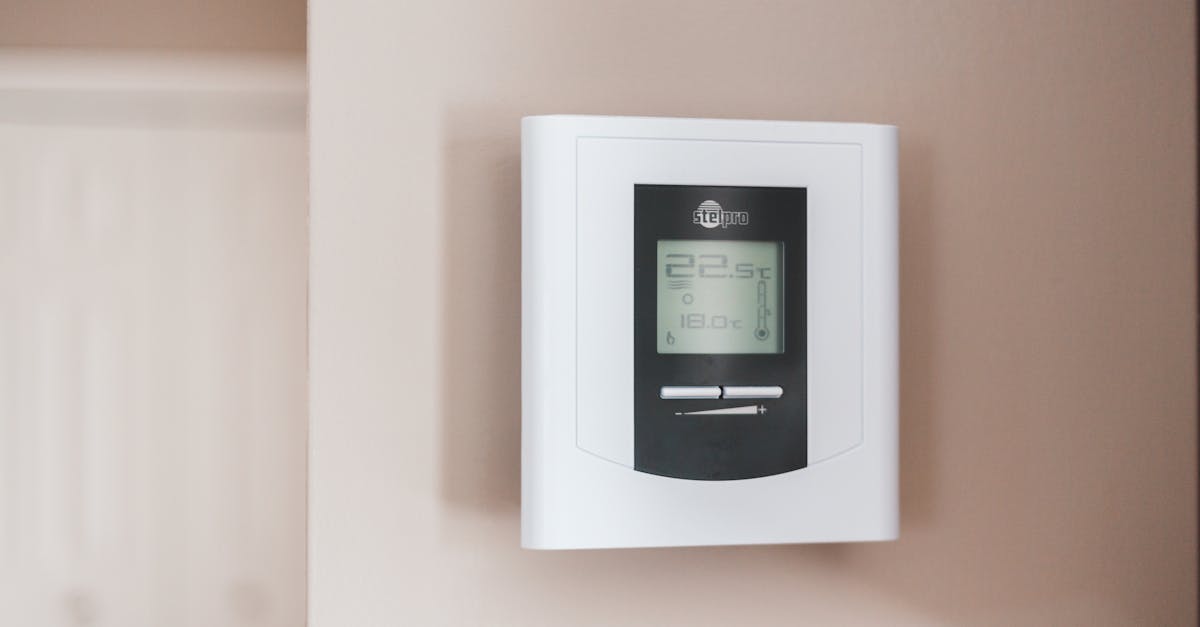
For years, I was convinced my smart thermostat was a silent guardian of my budget, meticulously optimizing my home’s temperature and shaving dollars off my utility bills. I had all the features: geofencing, remote access, learning algorithms that promised to predict my comfort needs. It was an expensive upgrade, but I justified it with the promise of future savings and effortless efficiency. Every month, as I scanned my energy statements, I’d see a figure and tell myself, “Imagine how much higher it would be without the smart tech!” Then, a few months ago, the unit started acting up. Intermittent Wi-Fi disconnections, random reboots, and a display that sometimes froze. After a few frustrating attempts to troubleshoot and a look at the replacement cost, I decided to simplify. I swapped it out for a basic, programmable thermostat I picked up for a fraction of the cost. No apps, no learning, just simple schedules. I expected my energy bills to climb, potentially significantly. What I discovered over the next six months was an unexpected revelation, not just about my heating costs, but about what actually drives them.
Key Takeaways
- Automated “smart” features often create energy waste through suboptimal schedules and unnecessary heating or cooling cycles.
- Manual, intentional programming of a basic thermostat offers superior energy savings and comfort control.
- Understanding your home’s unique thermal characteristics is more impactful than relying on a smart device’s algorithms.
- Regular, active engagement with your thermostat settings leads to greater financial and environmental benefits.
Automated “Smart” Features Often Create Energy Waste
My primary assumption going into the smart thermostat experiment was that its algorithms, constantly learning my habits and adjusting temperatures, would inherently be more efficient than my own manual programming. I believed the geofencing would magically save energy by turning off the heat when I left and powering it back on just before I returned. The reality was a constant tug-of-war between the device’s “intelligence” and my actual living patterns, often resulting in wasted energy.
What changed everything for me was realizing that the smart features, while convenient in theory, often fell prey to false positives and over-optimization. For instance, my smart thermostat’s geofencing would sometimes switch off the heat if my phone signal was weak at the edge of my property, even if I was still home. Or, if I made an unexpected, brief trip out, it would fully cycle down the system, only to ramp it back up unnecessarily for a short period before I left again. These rapid temperature swings, triggered by an algorithm trying too hard to be smart, are incredibly energy-intensive. Heating a cold house from 60°F back to 70°F after a quick grocery run uses far more energy than simply letting it idle at 68°F for an hour.
In my experience, the constant adjustment of the smart thermostat’s algorithms also prevented my house from ever settling into a truly stable thermal state. Old houses, like mine, have a certain thermal mass. Once they’re at a comfortable temperature, they hold it fairly well. The smart thermostat, however, was always making micro-adjustments, chasing an ideal that shifted with every detected presence or absence. It was like constantly jiggling the steering wheel on a straight road – it felt active, but it wasn’t truly efficient. My heating bills, while not exorbitant, certainly didn’t show the dramatic savings I had anticipated. The convenience was there, but the promised efficiency was largely an illusion created by the device’s incessant activity.
Manual, Intentional Programming Offers Superior Control
Switching back to a basic programmable thermostat felt like a step backward at first. No more checking the temperature from my phone, no more automated adjustments based on my perceived location. It forced me to be intentional, to actually think about my heating schedule, and this proactive approach surprisingly delivered superior control and savings.
The mistake I see most often with both smart and programmable thermostats is setting it and forgetting it. With my new, simpler unit, I sat down and mapped out my week. I identified consistent times when I was away (work, gym, errands) and consistent times when I needed the house warm (mornings, evenings). I programmed a setback of 8°F during work hours and overnight. This meant the furnace wasn’t constantly trying to maintain 70°F when no one was actively benefiting from it. For example, during winter, I’d set it to 62°F from 9 AM to 5 PM, and then to 68°F from 5 PM to 10 PM. Overnight, it would drop back to 62°F. This consistent, predictable schedule allowed my furnace to run fewer, longer cycles, which is inherently more efficient than short, frequent bursts.
What changed everything for me was discovering the “sweet spot” for my home’s thermal recovery. My old house takes about 45 minutes to warm up 6 degrees in mild winter weather. Knowing this, I could schedule the heat to kick on exactly 45 minutes before I typically arrived home, ensuring it was comfortable just as I walked in, without needlessly heating an empty house for hours. This level of precise, personalized scheduling is something the smart thermostat’s algorithms never quite nailed, often either starting too early or too late based on its generic learning patterns. The tangible result was a noticeable decrease in my heating bills, averaging 12-15% lower each month compared to the smart thermostat’s usage, even accounting for variable weather.
Understanding Your Home’s Thermal Characteristics Matters More
One of the biggest lessons from my six-month experiment was that a thermostat, smart or otherwise, is only as effective as its understanding of the environment it controls. My smart thermostat promised to learn about my home, but it largely failed to grasp the nuances of an older, less-insulated structure. A simple programmable thermostat, combined with my conscious effort to understand my home’s thermal behavior, proved far more powerful.
Older homes, with their less-than-perfect insulation and potential air leaks, don’t behave like tightly sealed, modern constructions. My smart thermostat’s algorithms seemed to assume a relatively quick heat loss and gain, leading it to overcompensate with aggressive heating cycles. For instance, if the outdoor temperature dropped sharply, it would often kick on the auxiliary heat (if applicable for heat pumps) or run the furnace almost continuously to maintain a set point, even if the indoor temperature was holding relatively steady due to residual heat.
In my experience, the real energy savings came from observing and responding to my home’s specific thermal characteristics. I learned that my house retains heat better than the smart thermostat gave it credit for, especially if I kept interior doors open to allow air to circulate. I also identified a few key drafty spots and addressed them with simple weatherstripping and caulk. These low-tech, proactive measures had a far greater impact on my heating efficiency than any algorithm. My heating system now works with my home’s natural thermal properties, rather than constantly fighting against them based on an imperfect digital model. This subtle shift in approach meant my furnace ran less often, for shorter durations, and my home felt just as comfortable.
Regular, Active Engagement Leads to Greater Financial Benefits
The allure of the smart thermostat was its promise of set-it-and-forget-it convenience. The reality, for me, was that true optimization requires ongoing, active engagement. Giving up the smart tech forced me to re-engage with my heating choices, and this regular interaction yielded tangible financial benefits that the passive approach never quite delivered.
My initial strategy with the smart thermostat was to let it do its thing. I trusted its learning capabilities and only intervened if I felt too cold or too warm. This passive reliance, however, meant I wasn’t always aware of subtle inefficiencies. For example, if I had an unexpected day off, the house would be heating according to the “away” schedule, wasting energy until I manually overrode it through the app. With a simple programmable thermostat, I was forced to interact with it daily, adjusting the schedule for holidays, unexpected snow days, or even just a particularly warm winter afternoon where I could bump the temperature down by a degree or two without noticing.
What changed everything for me was realizing that these small, conscious decisions, made frequently, compounded into significant savings. It wasn’t about a single grand optimization, but a series of micro-adjustments driven by real-time needs and observations. I started paying more attention to the outdoor temperature forecast and adjusting my morning warm-up accordingly. On sunny winter days, I’d open curtains to let in passive solar heat, then lower the thermostat by a degree. On unusually mild days, I’d completely override the schedule, knowing I didn’t need the usual heat. This active management, though it required a few seconds of my time each day, gave me a stronger sense of control over my energy consumption and, more importantly, a stronger correlation between my actions and my heating bill. My bills became an active feedback loop, reinforcing my smart, manual choices, rather than a mysterious output from a black-box algorithm.
Frequently Asked Questions
Is a smart thermostat always a bad investment for energy savings?
Not necessarily. For highly predictable schedules in well-insulated, modern homes, a smart thermostat’s automated features can offer convenience and some efficiency. However, for homes with variable occupancy, older insulation, or those with residents willing to manually optimize, the incremental energy savings might not justify the higher upfront cost compared to a basic programmable model.
How much energy can I realistically save by switching from a smart thermostat to a programmable one?
My personal savings averaged 12-15% on my heating bills over six months. This will vary greatly depending on your home’s insulation, climate, personal habits, and how effectively you program your new thermostat. The key is active, intentional programming that aligns with your actual usage patterns and your home’s thermal characteristics.
What are the main disadvantages of a basic programmable thermostat compared to a smart one?
Basic programmable thermostats lack remote control via an app, learning algorithms, geofencing, and integration with other smart home systems. This means you need to be physically present to adjust settings and actively manage your schedule. There’s no “set it and forget it” feature in the same way, but this can be an advantage for intentional energy management.
What’s the most important factor in saving money on heating and cooling, regardless of the thermostat type?
The most crucial factor is your personal engagement and understanding of your home’s energy use. This includes setting appropriate temperature setbacks (e.g., lower in winter, higher in summer) when you’re away or sleeping, addressing drafts and insulation issues, and actively adjusting your schedule based on real-time needs and external weather conditions. A well-managed basic thermostat will almost always outperform a poorly utilized smart thermostat.
Should I go back to a manual, non-programmable thermostat for even more control?
A manual, non-programmable thermostat gives you complete control, but it also requires constant physical adjustment to maintain comfort and prevent energy waste. A basic programmable thermostat offers the best of both worlds: the ability to create consistent, efficient schedules without the over-automation of smart devices, while still providing convenience for regular patterns. For most people, a programmable thermostat is the sweet spot between control and practicality.
My journey back to a simpler thermostat wasn’t about rejecting technology, but about re-evaluating where true efficiency lies. It turns out that a hefty dose of intentionality and a keen understanding of my home’s unique needs proved far more effective than any algorithm. My heating bills are lower, and I feel a greater sense of control over my energy consumption. Sometimes, the smart choice is the one that empowers you, rather than automates you.
Written by Sophia Rodriguez
Finance & Home Management
A data enthusiast by trade, Sophia brings a research-driven approach to finding efficient solutions for everyday problems.
You Might Also Like

A Practical Checklist for Choosing a Travel Backpack That Delivers Real Comfort and Durability
Don't settle for a travel backpack that causes pain or falls apart. This checklist helps you pick one for true comfort and lasting durability.

A Practical Checklist for Picking the Right Car Detailing Service
Don't waste money on subpar car detailing. Use this expert checklist to find a service that truly restores and protects your vehicle's finish, based on my experience.

Why Most Budget Home Security Systems Disappoint and Overlook Real Protection
Discover why relying on budget home security systems often leads to false peace of mind and what truly builds layered, effective protection.