A Practical Checklist for Choosing a Sustainable Coffee Maker
For years, my morning coffee ritual felt like a small, harmless indulgence. I’d cycle through cheap, plastic drip machines every couple of years, each one eventually sputtering out and heading to the landfill. I’d buy disposable pods for convenience or use paper filters without a second thought. I considered myself reasonably eco-conscious in other areas of my life, but my coffee habit remained a blind spot.
Then I started tracking my household waste more rigorously. The sheer volume of discarded coffee grounds, paper filters, plastic pods, and dead appliances was staggering. It wasn’t just the environmental impact; it was the hidden cost, too. Constantly replacing cheap machines, buying single-use items – it all added up. What changed everything for me was realizing that true sustainability in coffee isn’t just about the beans; it’s deeply rooted in the equipment we choose and how we use it. It’s about a holistic approach, not just opting for a ‘compostable’ pod that still uses a lot of resources.
This isn’t about guilt-tripping; it’s about empowering you to make informed decisions that benefit both the planet and your wallet. In my experience, choosing a truly sustainable coffee maker requires looking beyond the marketing hype. It demands a practical, almost forensic, approach to materials, lifespan, energy consumption, and the waste it generates. You can enjoy fantastic coffee without contributing to the throwaway culture, and often, the more sustainable choice ends up being the better brew, too.
Key Takeaways
- Prioritize durability and repairability by selecting coffee makers made from robust, high-quality materials to maximize lifespan.
- Choose manual brewing methods or energy-efficient electric machines that offer precise control over power consumption.
- Opt for filter-free systems, reusable filters, or compostable options to drastically reduce daily waste from brewing.
- Consider the entire lifecycle, from manufacturing transparency to end-of-life recycling, for a genuinely sustainable choice.
Prioritize Durability and Repairability Over Cheap Convenience
The mistake I see most often when people try to go ‘sustainable’ with their coffee maker is prioritizing a low upfront cost or perceived convenience over actual longevity. They’ll buy a machine with a shiny ‘eco-friendly’ sticker, only to have it break down in 18 months. What’s sustainable about that? A genuinely sustainable coffee maker is one you keep for a decade, not one you replace every other year. This means focusing on materials and construction quality above all else.
In my experience, stainless steel, glass, and durable ceramics are your best friends. Look for machines with minimal plastic components, especially in areas that come into contact with hot water or coffee. Plastic degrades over time, can leach chemicals, and is often the first point of failure. My first ‘sustainable’ coffee maker was a cheap French press, and while it felt better than plastic, the thin glass carafe cracked after a few months. I quickly learned that even within ‘eco-friendly’ categories, there’s a spectrum of quality. Now, I own a heavy-duty, double-walled stainless steel French press that has survived countless clumsy mornings and looks as good as new five years later. It cost three times as much as my first one, but it has already outlasted three of its predecessors.
Beyond materials, consider the repairability factor. Can individual parts be replaced? Are they readily available? Brands that offer replacement carafes, gaskets, or heating elements are signaling a commitment to longevity. Many high-end espresso machines, for instance, are designed to be repaired, not replaced, making them incredibly sustainable despite their initial price tag. The same principle applies to simpler brewers. If a silicone gasket wears out on an AeroPress, for example, a replacement costs a few dollars and takes seconds to install, extending the life of the entire unit for years. This drastically reduces its environmental footprint compared to a drip machine where a single failed heating element renders the whole thing useless.
Before I bought my current manual pour-over cone, I specifically checked online for replacement parts like the ceramic filter holder. Knowing I could fix it if a piece chipped gave me confidence in its long-term viability, even if it meant a slightly higher initial investment. This upfront consideration saves money and waste in the long run.
Opt for Manual or Energy-Efficient Electric Brewing Methods
Energy consumption is another critical, yet often overlooked, aspect of a coffee maker’s sustainability profile. Many automatic drip machines sit in a ‘warming’ mode for hours, passively drawing power. Espresso machines, particularly those with large boilers, can be significant energy hogs if left on all day. Your choice of brewing method plays a huge role here.
Manual brewing methods are inherently more sustainable from an energy perspective simply because they use little to no electricity. Pour-over, French press, AeroPress, and Moka pots only require boiling water, which can be done efficiently in a kettle. If you use an electric kettle, invest in a good quality, quick-boiling model that automatically shuts off once the water reaches temperature. My variable temperature electric kettle boils water for my pour-over in about 90 seconds and then cuts power completely, unlike an old coffeemaker I used to have that would keep a hot plate on for two hours. This seemingly small difference adds up considerably over a year, especially if you brew multiple times a day.
If you prefer an electric machine, look for specific energy-saving features. These include:
- Auto-shutoff: This is non-negotiable. Your machine should turn off automatically after brewing or after a set period of inactivity (ideally within 30-60 minutes, not hours).
- Programmable timers: While convenient, these can sometimes mean the machine is ‘listening’ for its cue, drawing trickle power. Newer models are more efficient, but always consider if you truly need it to start brewing before you’re even out of bed, or if a quick-start manual brew is better.
- Thermoblock heating systems: Found in many espresso machines, these heat water on demand rather than keeping a large boiler hot, significantly reducing standby energy consumption. Traditional boiler systems are often less efficient unless you’re making multiple drinks back-to-back.
When I upgraded my espresso machine, I specifically chose one with a thermoblock heater and a very fast heat-up time. It means I turn it on, brew my coffee, and turn it off, rather than leaving it powered on for an hour ‘just in case’ I want another shot. This simple shift cut its energy consumption by an estimated 40% based on my usage patterns. Think about your actual brewing habits and match the machine’s energy profile to them, rather than just picking the one with the most features.
Choose Filter-Free or Reusable Filtering Systems
The daily waste generated by coffee filters is often overlooked, but it accumulates rapidly. A family of four brewing once a day can go through over 1,400 paper filters in a year. While compostable paper filters are better than plastic, their production still consumes resources and energy, and proper composting isn’t always accessible to everyone. Eliminating disposable filters entirely is one of the most impactful sustainable choices you can make.
There are several excellent filter-free or reusable filter options:
- French Press: My long-standing favorite. The built-in mesh filter means zero disposable waste. Just coffee grounds, which are excellent for composting or direct garden enrichment.
- AeroPress: While it can use small paper filters, reusable metal disc filters are widely available. I’ve been using a metal filter with my AeroPress for years, and it works perfectly, producing a clean cup without the need for paper.
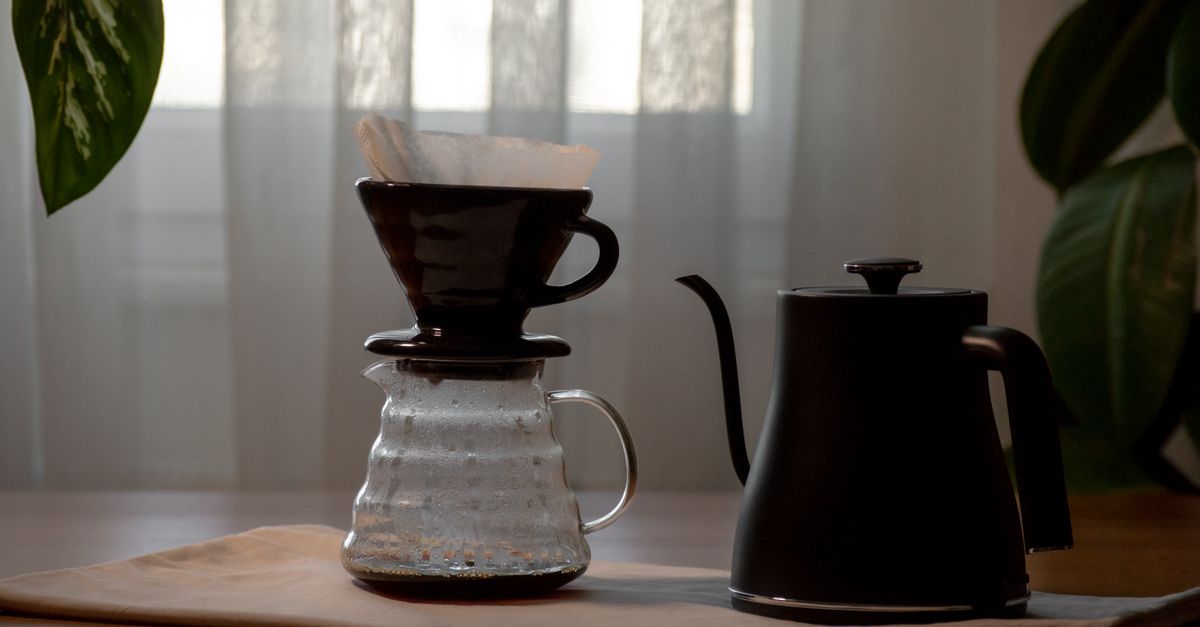
- Pour-Over (with reusable filter): Many pour-over cones (like Chemex or Hario) can be paired with durable stainless steel mesh filters. These require a slightly coarser grind than paper filters but produce a rich, full-bodied cup and last indefinitely with proper care.
- Moka Pot: Like the French press, it has a built-in metal filter, generating no disposable waste.
- Espresso Machines: These use ground coffee directly, with the spent puck often being compostable.
The mistake I made early on was buying a drip machine that came with a ‘permanent’ plastic mesh filter, thinking it was a sustainable choice. While better than paper, these plastic filters often let fine sediment through, leading to a cloudy brew, and they eventually degrade, requiring replacement. A high-quality stainless steel reusable filter, whether built-in or purchased separately, is a far superior and truly long-lasting option.
When evaluating a new machine, ask yourself: “What kind of waste will this generate every single day?” If the answer involves single-use items, investigate reusable alternatives for that specific model. The best choice is often one designed from the ground up to be filter-free.
Consider the Entire Lifecycle: From Manufacturing to End-of-Life
True sustainability extends beyond your daily interaction with the coffee maker. It encompasses the environmental and social impact of its production and what happens to it when it eventually reaches the end of its functional life. This is where transparency and manufacturer responsibility come into play, and it’s often the hardest information to find.
Look for brands that are transparent about their manufacturing processes and supply chains. Do they use recycled materials? Do they have certifications for ethical labor practices? While few coffee maker manufacturers are as open as, say, some apparel brands, a commitment to sustainability often correlates with overall brand ethics. Some brands are starting to use lower-impact packaging, avoiding excessive plastics or non-recyclable foams, which is another small but meaningful indicator.
End-of-life considerations are equally important. Even the most durable machine will eventually wear out. Can components be recycled locally? Does the manufacturer offer a take-back program? While these programs are rare for smaller kitchen appliances, some brands are emerging with initiatives. For example, some companies now actively promote third-party repair services or provide detailed repair guides, further reducing waste. What changed everything for me was finding out my city had an electronics recycling program, which meant my old, broken coffee makers didn’t necessarily have to go into general waste.
Before I bought my current manual grinder, I researched the company’s commitment to sustainability. They prominently featured their use of high-grade, food-safe stainless steel and ceramic burrs, emphasizing longevity and providing clear instructions for disassembly and recycling. This gave me confidence that my purchase wasn’t just ‘eco-friendly’ in name, but backed by genuine corporate values.
In my experience, a truly sustainable coffee maker is not just an appliance; it’s an investment. An investment in better coffee, reduced waste, and a more mindful approach to consumption. By focusing on durability, energy efficiency, minimal waste, and responsible manufacturing, you can brew your daily cup with a clearer conscience and a superior taste.
Frequently Asked Questions
What is the most sustainable type of coffee maker?
Generally, manual brewing methods like a French press, AeroPress (with a reusable filter), or Moka pot are considered the most sustainable. They require no electricity for brewing (only for boiling water, typically in an efficient kettle), generate no disposable filter waste (when paired with metal filters), and are often made from durable materials like stainless steel or glass, ensuring a long lifespan. Espresso machines can also be very sustainable, especially those with repairable components and energy-efficient heating systems.
Are single-serve coffee makers like pod machines sustainable?
No, single-serve coffee makers, particularly those using non-compostable plastic pods, are generally considered one of the least sustainable options. The vast majority of coffee pods end up in landfills, and even ‘recyclable’ or ‘compostable’ pods often require specific conditions or facilities not widely available. While some companies offer recycling programs, the energy and resources consumed in producing and shipping individual pods, coupled with the disposal issues, make them a poor choice for sustainability-minded consumers.
How can I make my existing electric coffee maker more sustainable?
If you already own an electric coffee maker, you can improve its sustainability by using a reusable mesh filter instead of paper filters. Ensure you turn off the warming plate immediately after brewing or invest in a smart plug that automatically cuts power after a set time. Descale your machine regularly to maintain efficiency and extend its lifespan. When it eventually fails, research local electronics recycling programs rather than simply throwing it away.
What materials should I look for in a sustainable coffee maker?
Prioritize coffee makers made primarily from durable, inert materials such as stainless steel, borosilicate glass, and high-quality ceramics. These materials are long-lasting, less prone to chemical leaching, and often recyclable at the end of their life. Minimize plastic components, especially those that come into contact with hot water or coffee, as plastic degrades and can be harder to recycle.
Is it better to buy an expensive, durable coffee maker or several cheaper ones over time?
From a sustainability perspective, it is almost always better to invest in an expensive, durable coffee maker that will last many years or even decades. While the initial cost is higher, the environmental impact of manufacturing, shipping, and disposing of multiple cheaper machines far outweighs the single impact of one long-lasting unit. Durable machines are also often repairable, further extending their lifespan and reducing waste, and they generally produce a superior quality brew.
Written by Eleanor Vance
Personal Productivity & Learning
A former high school educator, Eleanor excels at breaking down complex topics into understandable, actionable steps.
You Might Also Like

A Practical Checklist for Choosing a Travel Backpack That Delivers Real Comfort and Durability
Don't settle for a travel backpack that causes pain or falls apart. This checklist helps you pick one for true comfort and lasting durability.

A Practical Checklist for Picking the Right Car Detailing Service
Don't waste money on subpar car detailing. Use this expert checklist to find a service that truly restores and protects your vehicle's finish, based on my experience.
Why Most Budget Home Security Systems Disappoint and Overlook Real Protection
Discover why relying on budget home security systems often leads to false peace of mind and what truly builds layered, effective protection.